
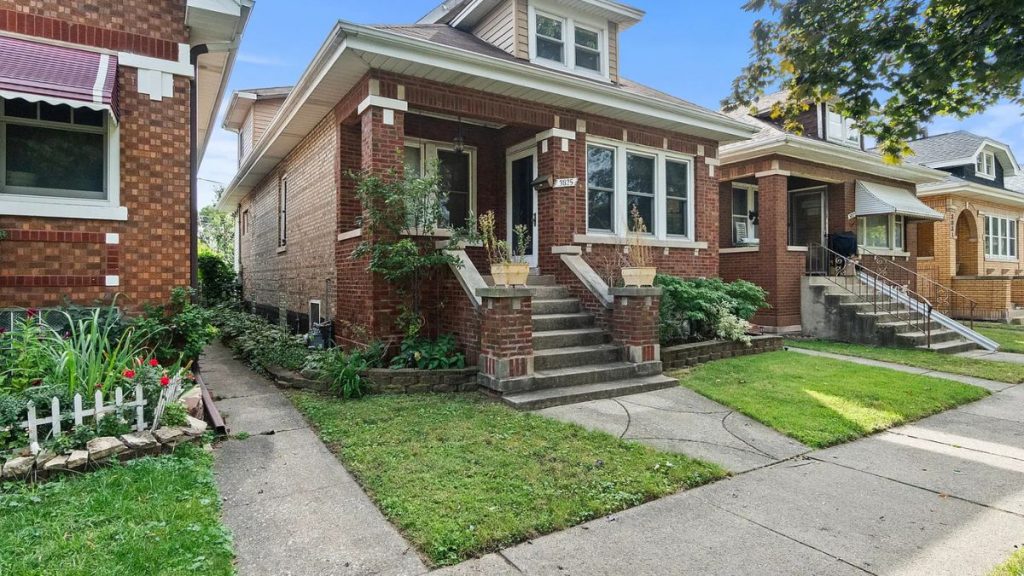
When selling a home in Berwyn, IL and Cicero, IL, many homeowners focus primarily on pricing, inspections, and closing dates. But one detail that can quietly affect the entire transaction timeline is occupancy timing — specifically, when the seller plans to move out and when the buyer expects to take possession of the property.
Occupancy timing issues can create confusion if expectations are not clearly discussed early in the transaction. Understanding how possession timelines typically work can help sellers avoid unnecessary stress during the final stages before closing.
Quick Takeaways
- Occupancy timing can affect closing coordination, moving schedules, and final walkthroughs.
- Possession dates are not always identical to closing dates.
- Moving delays sometimes create additional negotiation discussions.
- Clear communication helps reduce last-minute scheduling problems.
At-a-Glance: Occupancy Timing and Closing
This table helps homeowners understand how occupancy timing commonly affects the closing process.
| Occupancy Situation | Potential Effect | Common Solution |
|---|---|---|
| Seller needs extra move-out time | Possession delay discussions | Post-closing occupancy agreement |
| Buyer needs immediate possession | Tighter moving timeline | Earlier move-out planning |
| Simultaneous buy-and-sell transaction | Scheduling coordination pressure | Flexible closing coordination |
| Unexpected moving delays | Closing stress or extensions | Communication and timeline adjustments |
Why Occupancy Timing Becomes Important Near Closing

Many homeowners assume the property simply transfers immediately after closing paperwork is signed. In reality, occupancy timelines can vary depending on contract terms, moving logistics, lender requirements, and possession agreements.
Some sellers move out before closing, while others remain in the property for a short period after closing under negotiated occupancy arrangements.
In Cicero, especially for homeowners coordinating family moves, work schedules, or simultaneous purchases, occupancy timing can become one of the more important logistical parts of the transaction.
Homeowners following Cicero housing activity and local closing timelines often notice that smoother closings usually involve early planning around possession and move-out expectations.
A calm transaction reality many sellers discover is that occupancy coordination often becomes more stressful when discussed too late in the process.
Can Sellers Stay in the Home After Closing?
Sometimes, yes.
In certain situations, sellers and buyers may agree to a short post-closing occupancy arrangement that allows the seller to remain in the property temporarily after ownership officially transfers.
These agreements commonly address:
- Length of occupancy
- Security deposit terms
- Insurance responsibilities
- Utility coordination
- Move-out expectations
Not every buyer or lender situation allows post-closing occupancy, which is why timing discussions are usually easier when addressed early rather than during the final days before closing.
How Occupancy Timing Affects Final Walkthroughs
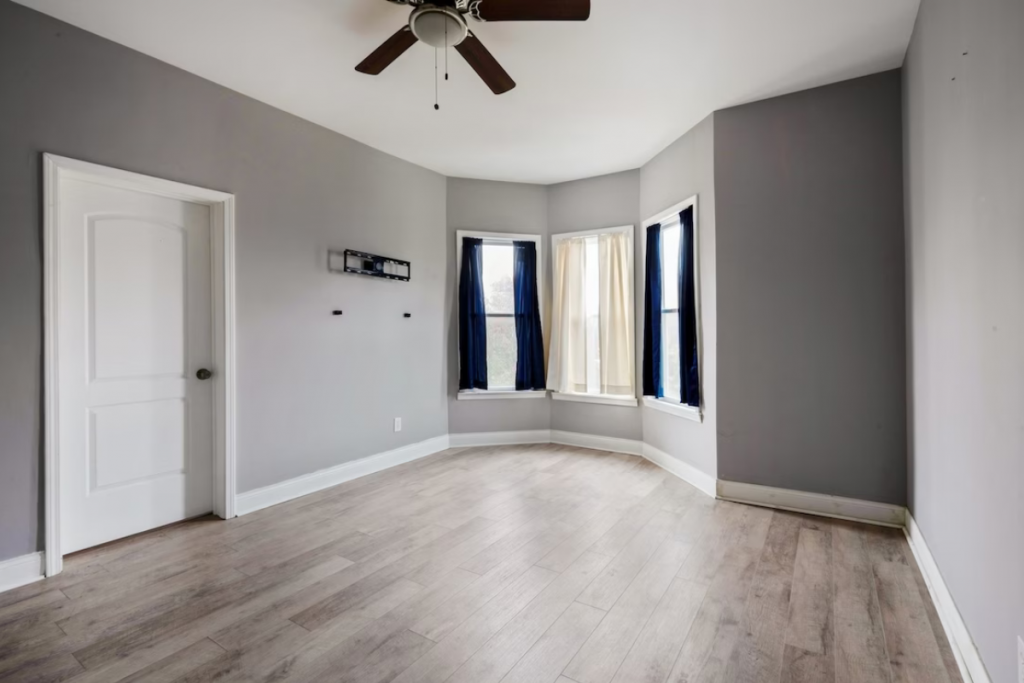
Final walkthroughs typically occur shortly before closing so buyers can verify the property’s condition.
If sellers are still actively packing or moving during the walkthrough, buyers may have difficulty confirming:
- Property condition
- Repair completion
- Included fixtures and appliances
- Overall move-out readiness
This does not automatically create problems, but unfinished move-out situations sometimes increase uncertainty during the final stage of the transaction.
Many homeowners find that completing most packing and organization before the walkthrough helps reduce pressure on both sides.
What Happens if Occupancy Timing Changes Suddenly?
Unexpected moving delays, contractor scheduling issues, weather problems, or financing disruptions can occasionally force occupancy timelines to change late in the transaction.
When this happens, sellers and buyers often review:
- Closing date flexibility
- Possession timing options
- Temporary housing needs
- Storage arrangements
- Contract obligations
The earlier communication happens, the easier these situations usually become to manage.
One transaction reality many homeowners experience is that occupancy timing problems are often logistical rather than personal. Clear communication tends to reduce misunderstandings significantly during this phase.
Why Early Move-Out Planning Helps Sellers
Even when closing dates appear firm, sellers often benefit from preparing moving timelines earlier than they initially expect.
Scheduling movers, organizing storage, coordinating utility transfers, and preparing for possible timeline adjustments usually becomes easier when sellers leave extra flexibility inside the final weeks before closing.
For many homeowners, occupancy planning becomes less about perfection and more about reducing avoidable last-minute complications that can increase stress during an already busy transition period.
RELATED READING
Gerardo Zavala is a Berwyn, IL-based real estate agent and Realtor® with Luna Realty Group, serving homeowners across Berwyn, Cicero, and Chicago’s West Suburbs. He has lived in the area for over 40 years and brings more than 10 years of real estate experience, helping homeowners make clear, confident, no-pressure decisions.
As a Spanish-speaking Realtor®, Gerardo works comfortably with both English- and Spanish-speaking buyers and sellers, guiding clients through each step of the buying and selling process with clarity and care.