
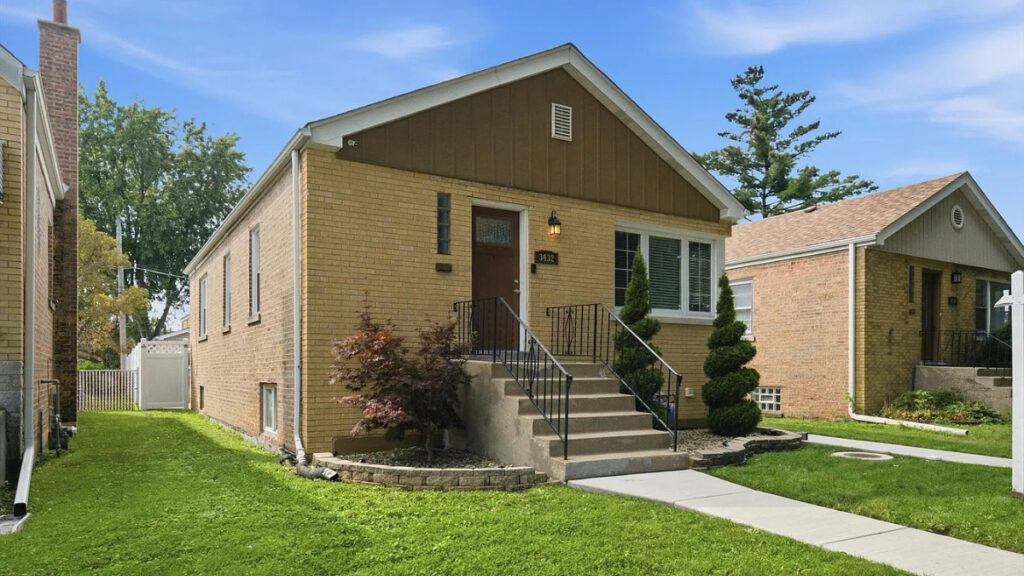
For homeowners thinking about selling in Berwyn, IL and Cicero, IL, deciding what to repair before listing can be harder than deciding whether to sell at all. Big repairs Berwyn Cicero homeowners are considering often involve roofs, windows, plumbing, electrical work, HVAC systems, or other projects that can cost real money.
The goal is not to make an older home feel brand-new. It is to understand which problems could affect buyer confidence, financing, inspections, or the way the home is priced—and which ones may reasonably be left for the next owner.
Quick Takeaways
- Not every major repair needs to be completed before selling.
- Safety, active damage, and financing-related issues usually deserve more attention.
- Some repairs improve marketability without returning their full cost.
- The right decision depends on condition, price, timing, and the likely buyer pool.
At-a-Glance: Big Repairs Before Selling
This table helps homeowners separate major issues that may deserve attention from projects that may not need to be completed before selling.
| Situation | What to Consider |
|---|---|
| Active leak or safety issue | Usually worth addressing |
| Older but functioning system | Evaluate before replacing |
| Cosmetic wear | Usually lower priority |
| Large upgrade with uncertain return | Compare cost against likely market benefit |
Which Big Repairs Matter Most Before Selling?
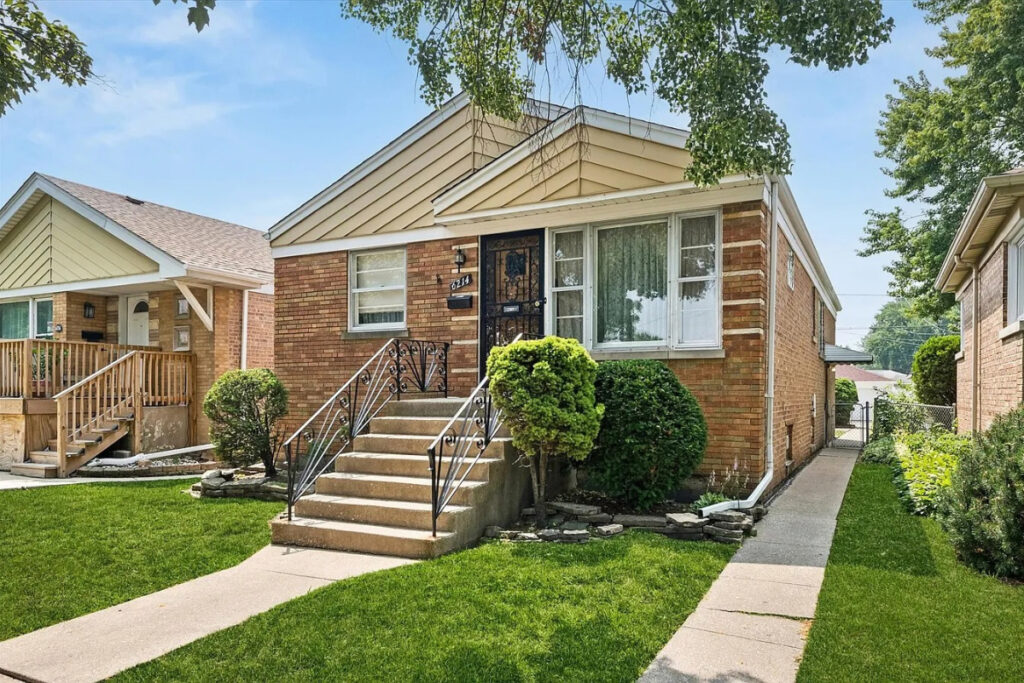
The first distinction is between something that is old and something that is failing. A 15-year-old furnace that is working properly creates a different decision than a furnace that will not reliably heat the home. The same applies to roofs, electrical panels, plumbing, windows, and appliances.
Problems involving active water intrusion, unsafe conditions, or systems that do not function normally can create more friction because they may show up during inspections or affect a buyer’s ability to move forward comfortably.
Older does not automatically mean defective. A homeowner can spend thousands replacing something that a buyer may have accepted as part of the home’s age and price.
Big Repairs Berwyn Cicero Homeowners Should Evaluate First
A useful question is not simply, “Will a buyer like this?” Instead ask, “Could this issue change the buyer’s ability or willingness to complete the purchase?”
That difference matters. Peeling paint, dated cabinets, and an older bathroom may affect presentation. An active roof leak or major electrical concern can affect the entire transaction.
For Cicero homeowners, it also helps to compare the property with nearby homes and the type of condition buyers commonly see in the area. Reviewing Cicero homes and local selling context can provide a more realistic frame of reference than comparing your house with fully renovated properties in another market.
Should You Replace an Older System Before Listing?
Not automatically. Replacing a roof, furnace, air conditioner, or windows simply because they are older can turn into a large expense without creating the same increase in sale price.
Sometimes the better choice is to document the condition, service the system if appropriate, and price the home with its current condition in mind. In other cases, a known failure may create enough uncertainty that repairing it first makes the sale easier to manage.
The core insight is simple: a repair is most useful before selling when it removes a real obstacle, not just because the item is old.
What If You Would Rather Sell the Home As-Is?
Selling as-is does not mean buyers ignore condition. It generally means the seller is setting the expectation that the home will be sold in its present condition, subject to the terms of the contract and any required local or lender-related items.
That approach can make sense when the cost, time, or disruption of major work does not fit the homeowner’s situation. It may also affect pricing and the size of the buyer pool, so the tradeoff should be considered before listing.
How Do You Decide What Is Worth Fixing?

Start with the items that affect safety, active damage, function, and financing. Then look at repairs that could materially improve how buyers respond to the home. Leave purely cosmetic wish-list projects for last.
A practical repair plan should match the home, the likely price range, and the homeowner’s own timeline. The smartest decision is not always to fix more. It is to spend where the condition of the home creates a genuine obstacle and avoid spending where the market is unlikely to reward it.
RELATED READING
About the Author
Gerardo Zavala is a Berwyn, IL-based real estate agent and Realtor® with Luna Realty Group, serving homeowners across Berwyn, Cicero, and Chicago’s West Suburbs. He has lived in the area for over 40 years and brings more than 10 years of real estate experience, helping homeowners make clear, confident, no-pressure decisions.
As a Spanish-speaking Realtor®, Gerardo works comfortably with both English- and Spanish-speaking buyers and sellers, guiding clients through each step of the buying and selling process with clarity and care.